
Nearshoring: why logistics decides who wins
Mexico is attracting factories, but its logistics cost still runs several points above the OECD's. Closing that gap is the real nearshoring advantage.
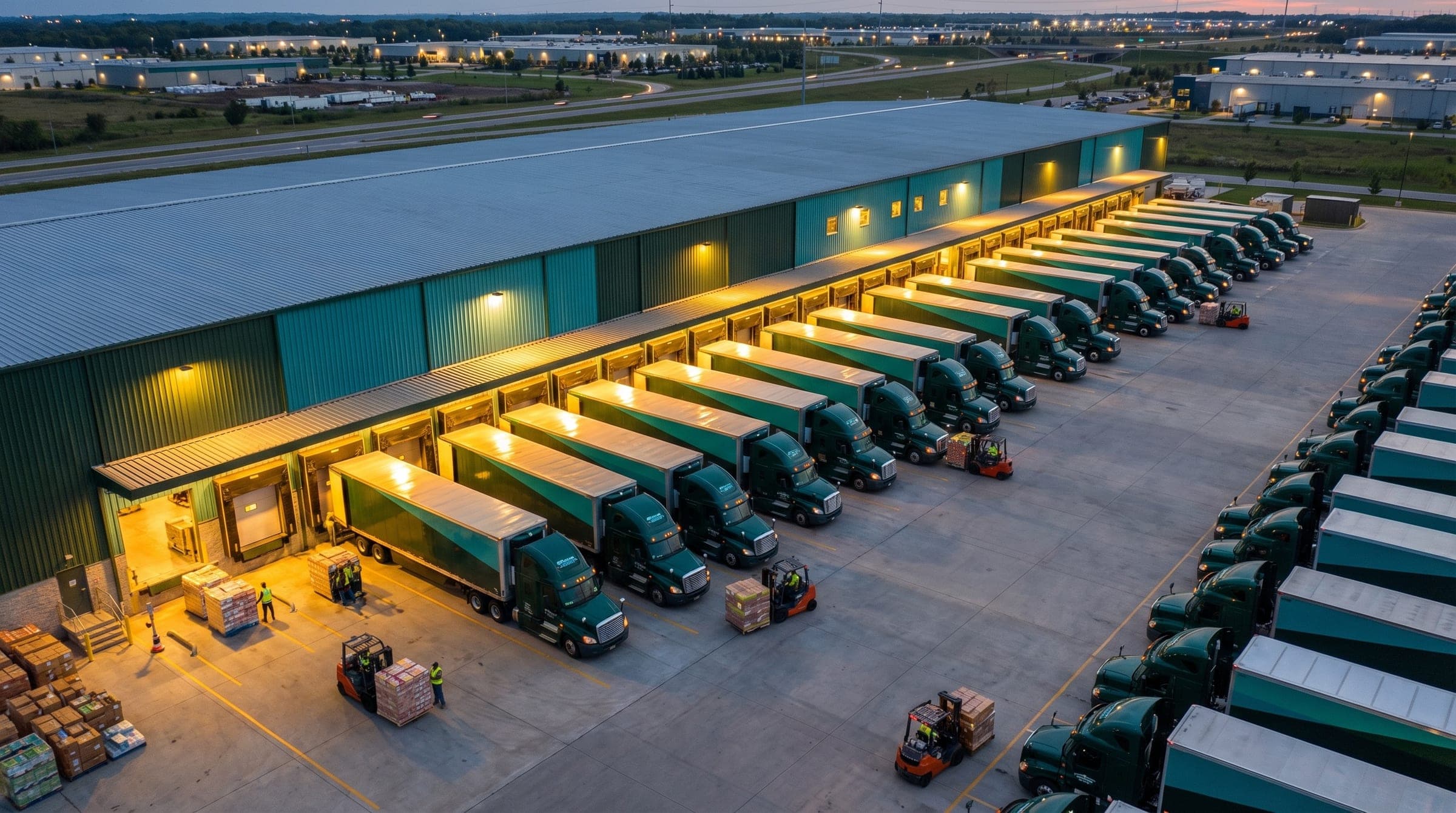
Nearshoring put Mexico on the map: proximity to the world's largest market, trade agreements and skilled labor. Industrial buildings are filling up, parks are expanding and investments are announced every week. But there's one figure most expansion plans overlook, and it ends up deciding who captures the value: the cost of logistics.
The most-cited estimates put Mexico's logistics cost above 10% of GDP, several points higher than the OECD average. That gap is not an accounting detail: it's the difference between an operation that leverages geographic proximity and one that wastes it on warehouses you can't see, inventory that doesn't reconcile and trucks that come back empty.
Proximity is not enough
The promise of nearshoring is to deliver faster and cheaper than from Asia. But short distance only becomes an advantage if the internal operation is up to the task. A container that reaches port in days and then sits for a week in a bonded warehouse for lack of visibility loses all the time geography just gave it. The savings on the ocean leg evaporate in the yard, and the customer never feels the proximity that justified moving the supplier closer in the first place.
High logistics cost in Mexico doesn't come from freight rates, which are competitive. It comes from friction: manual relabeling, repeated physical counts, no traceability between supplier and warehouse, and route planning done by hand. Each of those frictions widens the gap.
Where the gap closes
The good news is that the gap is addressable with technology that already exists and doesn't require rebuilding the infrastructure.
In the warehouse. An iWMS with Zero Label, which reconciles the supplier's format with yours, eliminates hours of relabeling and counting. Inventory stops being an outdated snapshot and becomes live data, which is the basis for not over-buying or running short.
In transport. iRouter recovers the fleet efficiency that manual planning leaves on the table. Fewer kilometers, more deliveries per shift, the same fleet.
In visibility. The Control Tower unites what happens in the yard, the warehouse and the route in a single view. When you see the whole chain, bottlenecks stop being surprises and become decisions.
Nearshoring that actually competes
The investment arriving in Mexico is chasing efficiency, not just proximity. The operations that close that gap will be the ones that turn location into real margin, and the ones that retain the customers nearshoring attracts.
For the 3PL operators receiving that demand, the competitive edge is no longer about having square meters available, but about running them with OECD-level efficiency. That's the ground where the game is won.
Want to know how much of that gap you can recover in your operation? Let's talk and we'll measure it on your real numbers.