
Multimodal: why transport modes still don't talk
Cargo switches modes several times before it arrives, but each link operates as an island. Low intermodality is hidden cost that visibility recovers.
A single shipment can cross the ocean by sea, air-freight the urgent products, leave the port by rail and reach the customer by truck. Each of those modes is, on its own, efficient. The trouble shows up at the seams: the moment cargo passes from one mode to another, where the information breaks and time, traceability and money start leaking.
The region's low intermodality is not a physical infrastructure problem, at least not only. It's a coordination problem. Each link (the shipping line, the bonded warehouse, the rail operator, the ground fleet) operates as an island with its own system, its own data format and its own partial view of the journey. Nobody sees the full chain, and what nobody sees, nobody optimizes.
The cost of the seams
When modes don't talk, the cost hides in concrete places:
Dead time at the transfer. A container that reaches port but whose ground transport isn't coordinated sits and waits. Every day of waiting is storage, demurrage and, often, a penalty.
Manual reconciliation. Because each mode labels and records cargo its own way, someone has to cross-check the spreadsheets by hand to confirm that what arrived is what left. It's slow, error-prone work.
Blind decisions. Without visibility of the full journey, you can't decide whether it's worth air-freighting a batch to recover a delay, or whether the alternate ground route comes out cheaper. You react late, when the problem has already cost.
Visibility is the bridge
Real intermodality doesn't require every actor to use the same system. It requires the information from each mode to converge in one place where the operation is seen end to end.
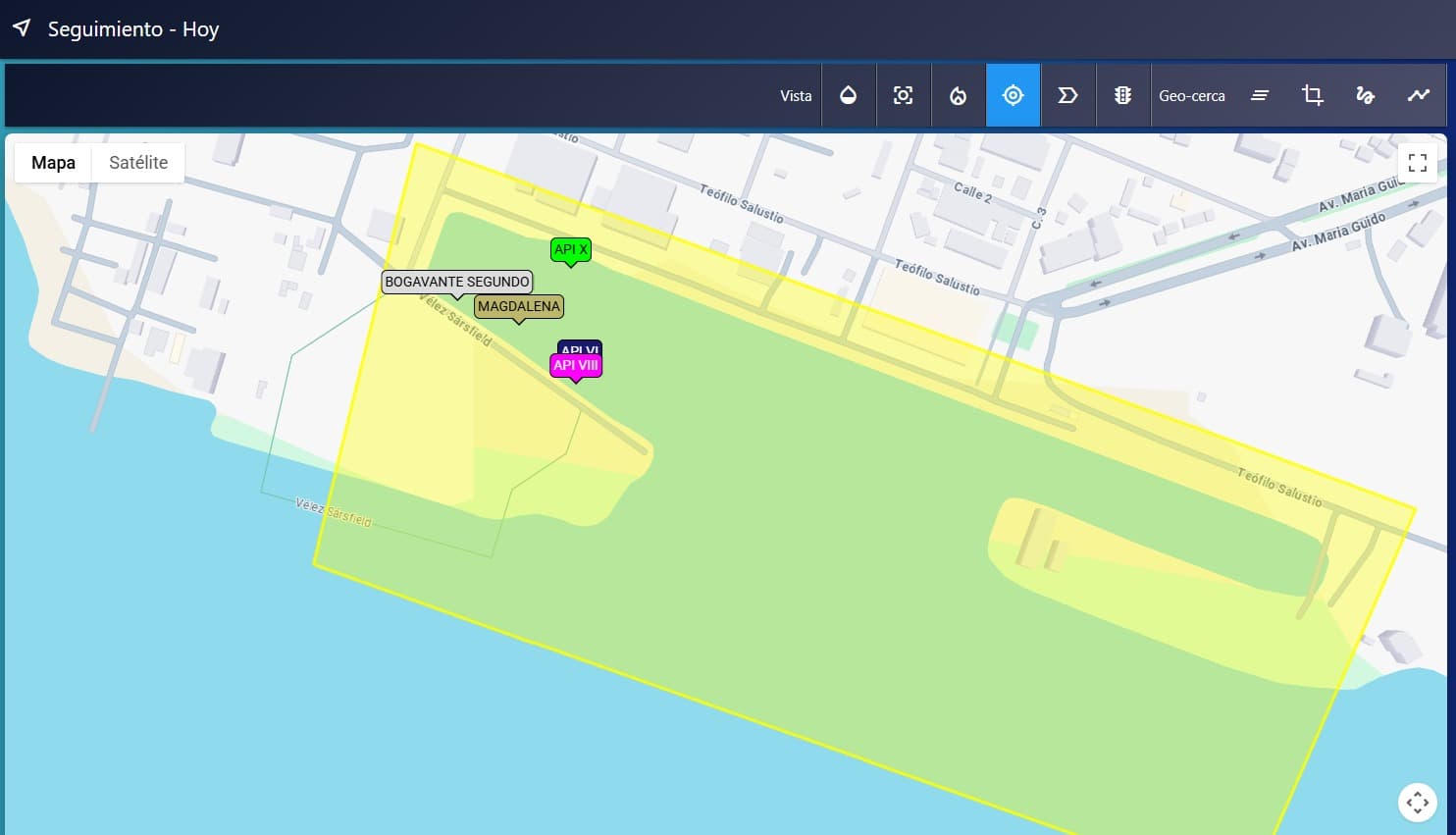
The Control Tower plays exactly that role: it integrates, via API, the data each link reports (the shipping line, the bonded warehouse, the ground fleet) into a single view. When you see where each shipment is and in which mode, transfers stop being blind spots and become planned decisions.
On that foundation, iRouter coordinates the ground leg with the cargo's real arrival, not an estimate. And an iWMS with Zero Label, which reconciles formats between modes, eliminates relabeling and manual counting at every transfer.
From islands to chain
The productivity leap isn't about making each mode faster on its own (they're already fast) but about eliminating the friction between them. That's where you recover the time low intermodality hands to the competition today.
For the 3PL operators handling multimodal cargo, connecting the seams is the most direct path to more reliable deliveries and healthier margins, without new investment in hardware.
Does your cargo switch modes several times and lose visibility along the way? Let's talk and we'll show you what the full chain looks like.